
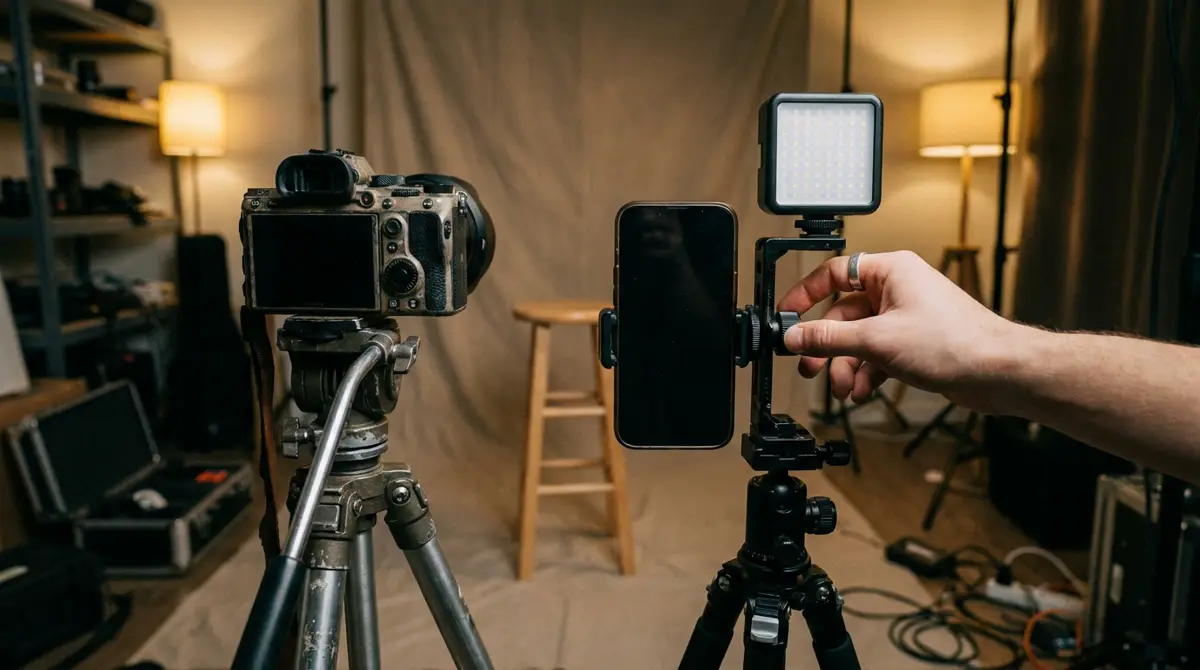
Quick Take
- YouTube is a search engine: long-form content earns views for years. Best for B2B and any business whose customers research before buying.
- TikTok distributes by engagement, not follower count — the strongest organic-reach platform, skewing 18–34 and consumer.
- Instagram is hybrid: Reels reach new audiences like TikTok, while Feed and Stories serve existing followers. Core demo 25–44.
- One 10-minute YouTube video can become TikTok clips, Reels, and a LinkedIn post — one production effort, four channels.
- Pick the platform your customers already use, master it for six months, then expand.
On this page
Here's the mistake I see constantly: a business owner watches someone else succeed on TikTok and decides their company needs to be on TikTok. Three months later, they've produced 40 videos, gotten no traction, and concluded that "social media doesn't work."
Social media works. TikTok might just not be the right platform for their business. Or they're using it the wrong way. Or they're comparing themselves to a creator who's been building for two years.
The question isn't whether to be on social media. The question is where, with what content, and with what strategy. The platforms keep tweaking their algorithms year to year, but the fundamentals below are the ones that haven't moved — and they're what should drive your decision heading into 2026.
Where YouTube Stands
What it is: The world's second-largest search engine. A video platform owned by Google where content lives permanently and gets discovered through search queries, not just follower feeds.
The algorithm: YouTube is search-and-recommendation driven. A well-optimized video on "how to replace a water heater pressure relief valve" can get views for five years because people keep searching for that term. The algorithm rewards watch time, click-through rate on thumbnails, and viewer satisfaction signals like comments and likes.
Content that works: Longer, substantive content outperforms short clips on YouTube. Tutorials, explainers, behind-the-scenes, thought leadership, case studies, interviews. The optimal length has been creeping upward — 8–15 minute videos often outperform 2-minute videos for business content because they demonstrate genuine expertise.
Audience: Every demographic uses YouTube, making it the most versatile platform on this list. Particularly strong for B2B, professional services, home services, and any business where customers research before buying.
Who should prioritize YouTube:
- B2B companies with complex products or services
- Professional service firms (law, finance, consulting, healthcare)
- Home services (contractors, plumbers, landscapers)
- Any business whose customers "do research" before purchasing
- Companies with existing long-form video content to repurpose
Key metric to watch: Watch time and average view duration. If people are clicking your thumbnails but leaving after 30 seconds, the content isn't delivering on the promise of the title.
Where TikTok Stands
What it is: A short-form video platform built around discovery. TikTok's algorithm actively distributes content to non-followers, making it one of the most powerful organic reach platforms available.
The algorithm: TikTok distributes content based on engagement signals — not follower count. A brand-new account with zero followers can get 100,000 views on their first video if the content is compelling. This is fundamentally different from every other platform, where followers determine your initial reach.
Content that works: The first 1–3 seconds are everything. TikTok users have aggressive thumbs — they swipe immediately if they're not hooked. Content that performs well: authentic behind-the-scenes, trends and sounds used creatively, educational content delivered fast, relatable humor, and transformation videos.
Audience: Heavily skewed toward 18–34, though older demographics are growing. Strongest for consumer brands, particularly lifestyle, food and beverage, beauty, fitness, and entertainment. B2B use exists but requires a very specific approach.
Who should prioritize TikTok:
- Consumer brands targeting under-40 demographics
- Food service, hospitality, retail
- Creative industries (design, photography, video, fashion)
- Any brand willing to be authentic and occasionally imperfect on camera
Key metric to watch: Video completion rate. On TikTok, whether people watch your full video is a stronger signal than likes. If completion rates are low, the hook or pacing needs work.
Where Instagram Stands
What it is: A visual storytelling platform with multiple content formats — Feed, Stories, Reels, and Live. Owned by Meta, with tight integration into Facebook's ad ecosystem.
The algorithm: Instagram operates on a hybrid model. Reels compete for reach similar to TikTok (shown to non-followers based on engagement). Feed posts and Stories primarily reach existing followers. The algorithm has been aggressively pushing Reels since 2022, and Reels are still where most organic growth on the platform happens.
Content that works: High-quality visual content still dominates Instagram's aesthetic. For Reels: fast editing, trending audio, and content that makes people stop scrolling. For Feed: cohesive brand aesthetic, informational carousels (swipeable multi-image posts), and product/portfolio showcases.
Audience: Core demographic is 25–44, with strong female skew. High purchasing intent — Instagram users are receptive to product discovery and direct shopping. Excellent for lifestyle brands, e-commerce, hospitality, fitness, beauty, and professional services that have strong visual work.
Who should prioritize Instagram:
- Lifestyle brands with strong visual identity
- Photographers, videographers, designers, architects
- E-commerce with visually compelling products
- Local services targeting 25–45 demographics (restaurants, fitness studios, salons)
- Any business with strong portfolio work to showcase
Key metric to watch: Saves and shares on Feed posts. Comments and reach on Reels. Saves in particular indicate that people found your content valuable enough to return to.
The Integration Advantage
Here's the thing about this conversation: these platforms aren't mutually exclusive.
The smartest content strategy treats video as the core asset and distributes it intelligently across platforms. A 10-minute YouTube video becomes:
- 3–4 TikTok clips (most engaging moments, reformatted vertical)
- 3–4 Instagram Reels (same clips, different audio, slightly different hooks)
- A LinkedIn native video post (professional context, business takeaway)
One production effort. Four distribution channels. This is how you maintain consistent output without grinding your team into the ground.
The platform you start with should be the one where your customers already spend the most time. For most B2B and industrial businesses, that's YouTube and LinkedIn. For consumer brands under 35, TikTok. For visual brands across demographics, Instagram.
Pick one platform, master it for six months, and then expand. Trying to be everywhere from day one leads to doing everything poorly.
The Bottom Line
The best platform is the one your customers use, that matches your content format capabilities, and that you can commit to consistently for at least 12 months.
No platform "doesn't work." Every one of them has businesses thriving on it right now. The difference isn't the platform — it's whether you showed up consistently, with content your audience actually wanted, for long enough to build momentum.
Start there.

Phil George
Founder, DIGG Productions
Phil picked up a GoPro during COVID, built a YouTube channel to 50,000 subscribers, and turned that playbook into the growth system DIGG runs for clients today.
Related Articles
The True Cost of Social Media Marketing (And What Happens If You Skip It)
Social media marketing has real costs whether you're paying for it or not. Here's an honest breakdown of pricing, the hidden costs of DIY, and how to actually evaluate your return.

What Does a Social Media Manager Actually Do? (It's Not What You Think)
Most people think social media management is about posting. It's not. Here's the full scope of what a real social media manager does — and why it matters for your business.